
What is Beard Transplant?
Beard transplantation is a surgical procedure that involves the transplantation of hair follicles to the beard area to enhance or restore facial hair growth. This procedure is typically performed on individuals who have thin or patchy beard growth, those with facial scarring that has affected beard hair growth, or individuals who desire a thicker and more well-defined beard. Beard transplantation is similar in concept to hair transplantation for the scalp but focuses on the facial hair.
Here's an overview of how beard transplantation is typically performed:
- Consultation: The process begins with a consultation with a qualified hair transplant surgeon. During this consultation, the surgeon assesses the patient's facial hair growth pattern, discusses the patient's goals, and determines the feasibility of the procedure.
- Donor Hair Selection: Hair follicles for the beard transplant are typically harvested from the back of the scalp, where the hair is genetically resistant to balding. The surgeon carefully selects donor hair follicles that match the thickness and texture of beard hair.
- Anesthesia: Local anesthesia is administered to numb both the donor area and the recipient area (the beard area where hair will be transplanted). This ensures that the procedure is virtually painless.
- Follicular Unit Extraction (FUE): Beard transplantation is commonly performed using the FUE method. In FUE, individual hair follicles are extracted from the donor site using a specialized punch tool. These follicles are then prepared for transplantation.
- Recipient Site Creation: Tiny incisions or recipient sites are created in the beard area where hair is to be transplanted. These incisions are made with precision to mimic the natural angle and direction of facial hair growth.
- Graft Placement: The extracted hair follicles are carefully transplanted into the recipient sites, ensuring that the transplanted hair blends seamlessly with the existing beard hair. Attention is paid to the angle, direction, and density of the transplanted hair to achieve a natural appearance.
- Post-Operative Care: After the procedure, patients are provided with instructions for post-operative care, including how to wash and care for the transplanted area and any prescribed medications.
- Recovery: Patients can typically resume their regular activities within a few days. It's common for the transplanted hair to shed within the first few weeks, but new hair growth should begin in a few months.
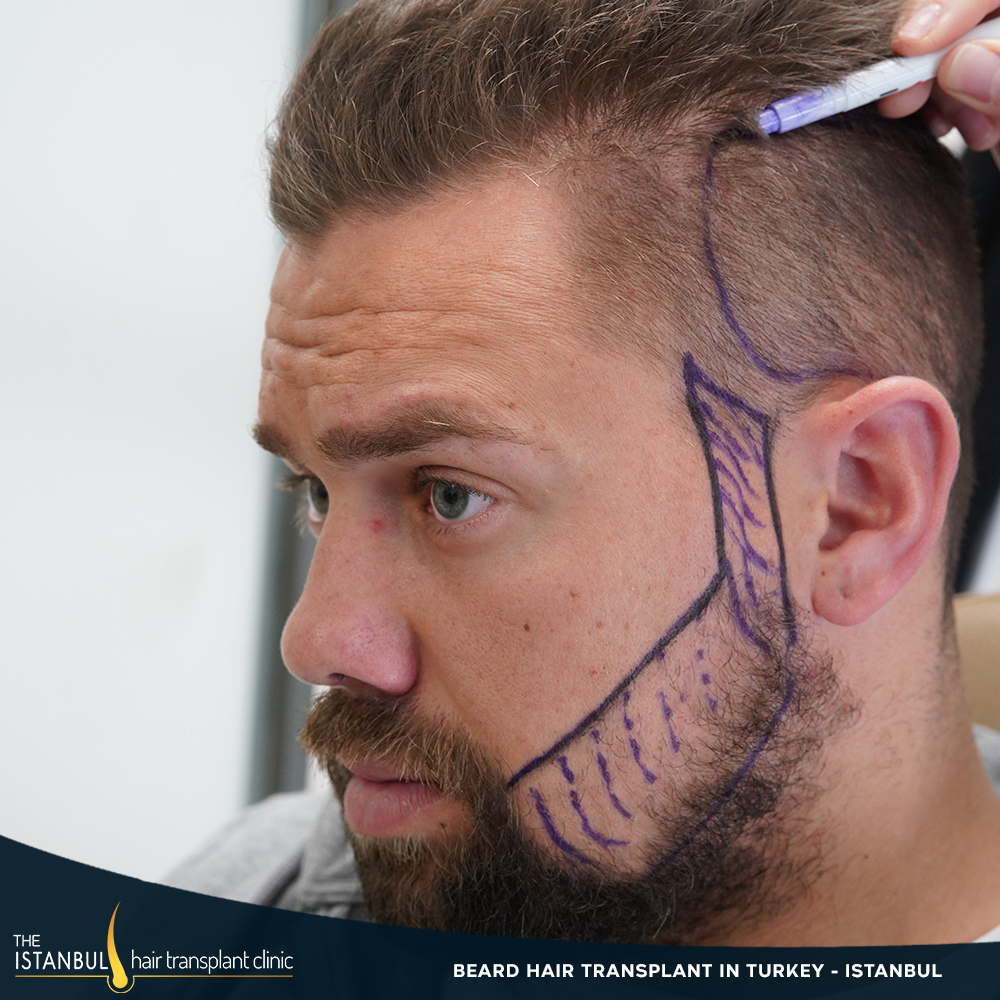
How is Beard Transplant Performed?
Beard transplantation is a surgical procedure that involves the transplantation of hair follicles to the beard area to enhance or restore facial hair growth. It is typically performed using the Follicular Unit Extraction (FUE) technique, which is a minimally invasive and precise method. Here's a step-by-step overview of how beard transplantation is performed:
Consultation:
The process begins with a consultation with a qualified hair transplant surgeon. During this consultation, the surgeon assesses the patient's facial hair growth pattern, discusses their goals and expectations, and determines the feasibility of the procedure.
Donor Hair Selection:
The surgeon carefully selects donor hair follicles for the beard transplant. These donor follicles are typically taken from the back of the scalp, where the hair is genetically resistant to balding and closely matches the texture and thickness of beard hair.
Anesthesia:
Local anesthesia is administered to numb both the donor area (typically the back of the scalp) and the recipient area (the beard area where hair will be transplanted). This ensures that the procedure is virtually painless.
Follicular Unit Extraction (FUE):
Beard transplantation is commonly performed using the Sapphire FUE method. In FUE, individual hair follicles are extracted one by one from the donor site using a specialized punch tool. These follicles are carefully harvested to minimize damage.
Recipient Site Creation:
Tiny incisions or recipient sites are created in the beard area where hair is to be transplanted. The surgeon makes these incisions with precision to mimic the natural angle, direction, and density of facial hair growth.
Graft Placement:
The extracted hair follicles, also known as grafts, are meticulously transplanted into the recipient sites. The surgeon pays close attention to the angle, direction, and spacing of the transplanted hair to achieve a natural and harmonious appearance.
Post-Operative Care:
After the procedure, patients are provided with detailed instructions for post-operative care. This includes guidance on how to wash and care for the transplanted area, as well as any prescribed medications to prevent infection and promote healing.
Recovery:
Patients can typically resume their regular activities within a few days. It's important to note that the transplanted hair will initially shed within the first few weeks. This is a normal part of the process, and new hair growth should begin in a few months.
Follow-Up Appointments:
Patients may have follow-up appointments with their surgeon to assess progress, address any concerns, and monitor the development of the transplanted beard hair.
Who is Beard Transplant Performed?
Beard transplantation is typically performed on individuals who have specific concerns or desires related to their facial hair. Here are some common reasons why people choose to undergo beard transplantation:
- Sparse Beard Growth: Some individuals have limited or patchy beard growth, leaving them with areas of thin or uneven facial hair. Beard transplantation can help fill in these gaps and create a fuller beard.
- Scar Revision: Scarring from accidents, surgeries, or previous trauma can disrupt natural beard growth. Beard transplantation can be used to transplant hair follicles into scarred areas to conceal the scars and restore a natural appearance.
- Desire for a Fuller Beard: Some individuals simply desire a thicker or more robust beard for cosmetic reasons. Beard transplantation allows them to achieve their desired facial hair appearance.
- Correction of Beard Shape or Symmetry: Beard transplantation can be used to correct asymmetry or irregularities in beard shape, helping to create a more balanced and aesthetically pleasing appearance.
- Beard Line Enhancement: Some individuals wish to define and enhance their beard lines, such as the jawline or cheekline. Beard transplantation can help create a more defined and sculpted beard line.
- Aesthetic Enhancement: Beard transplantation can be performed for cosmetic reasons, allowing individuals to customize the style and look of their beard to better suit their preferences.
- Gender Transition: Transgender individuals undergoing hormone therapy as part of their gender transition may seek beard transplantation to achieve a more masculine appearance.
What are the Advantages of Beard Transplant?
Beard transplantation offers several advantages for individuals who choose to undergo the procedure. These advantages can enhance both the appearance and self-confidence of individuals who seek to improve their facial hair. Here are the key advantages of beard transplantation:
Enhanced Facial Aesthetics: Beard transplantation allows individuals to customize the style and look of their beard, resulting in enhanced facial aesthetics. Whether filling in patchy areas, creating a fuller beard, or defining beard lines, the procedure can significantly improve the overall appearance of the face.
Natural-Looking Results: When performed by a skilled and experienced surgeon, beard transplantation results in natural-looking facial hair. The transplanted hair blends seamlessly with existing facial hair, making it difficult for others to distinguish between transplanted and natural hair.
Permanent Solution: Beard transplantation provides a permanent solution for beard enhancement. The transplanted hair is taken from the donor area, which is typically resistant to hair loss, ensuring that the results are long-lasting.
Scar Concealment: For individuals with facial scarring that affects beard growth, beard transplantation can effectively conceal scars and create a more even and uniform appearance.
Customization: Patients can work with their surgeon to customize the shape, density, and style of their beard to match their preferences. This level of customization allows for a tailored and personalized look.
Boost in Self-Confidence: Many individuals experience a boost in self-confidence and self-esteem after undergoing beard transplantation. Achieving the desired facial hair appearance can lead to increased confidence in personal and social interactions.
Gender Transition: Beard transplantation can be an important step for transgender individuals undergoing hormone therapy as part of their gender transition. It helps them achieve a more masculine facial appearance.
Minimal Downtime: The recovery period after beard transplantation is relatively short, and patients can typically return to their regular activities within a few days.
Natural Growth Cycle: After the initial shedding of transplanted hair, new hair growth begins, mimicking the natural growth cycle of facial hair. This gradual growth process ensures that the final results look natural and balanced.
Safe and Established Procedure: Beard transplantation is a well-established and safe procedure when performed by a qualified and experienced surgeon. Advances in techniques and technology have further improved the safety and success rates of the procedure.
What is the Beard Transplant Recovery Period?
The recovery period after a beard transplant is an important phase in the overall success of the procedure. While the recovery experience can vary from person to person, there are general guidelines and expectations for what to anticipate during the beard transplant recovery period:
Immediately After the Procedure (First Few Days):
- Swelling: Swelling, particularly in the chin and neck area, is common during the first few days after the procedure. This is typically temporary and should subside within a week.
- Discomfort: Mild pain or discomfort in the beard area is normal and can be managed with prescribed or over-the-counter pain medications.
- Redness: The transplanted area may appear red or pink immediately after the procedure. This is a normal part of the healing process.
First Week:
- Return to Activities: Patients can generally resume light activities within a few days, but it's advisable to avoid strenuous exercise and activities that could potentially damage the grafts.
- Scabbing: Tiny scabs may form around the transplanted grafts. It's important not to pick or scratch these scabs, as doing so could damage the newly transplanted hair.
First Month:
- Shedding of Transplanted Hair: Most of the transplanted hair will shed within the first month. This is a natural part of the process and should not be a cause for concern.
- Maintenance: Patients will need to adhere to a regular washing and care routine for the transplanted area as advised by their surgeon.
Months 2-3:
- New Hair Growth: New hair growth typically begins around the second or third month. Initially, the hair may appear fine and thin, but it will gradually thicken and become more noticeable over time.
- Follow-Up Appointments: Patients may have follow-up appointments with their surgeon during this period to assess progress and address any concerns.
Months 6-12:
- Visible Results: By months 6 to 12, patients should begin to see more significant growth and visible results from the beard transplant. Patience is essential, as the full results may take up to a year or more to become apparent.
- Maintenance: Depending on individual circumstances, the surgeon may recommend maintenance treatments or medications to further enhance and preserve the results.
Is Beard Transplant Performed in Turkey?
Yes, beard transplantation is performed in Turkey, and the country is well-known for offering a wide range of high-quality hair transplant procedures, including those for the beard. Turkey has gained a strong reputation as a global hub for hair transplantation due to several key factors:
Experienced Surgeons: Turkey boasts numerous experienced and skilled hair transplant surgeons who are proficient in various hair restoration techniques, including beard transplantation.
Modern Facilities: Turkish hair transplant clinics and hospitals are equipped with state-of-the-art technology and adhere to international standards for medical facilities.
Competitive Prices: The cost of hair transplant procedures, including beard transplantation, is often more affordable in Turkey compared to many other countries, making it an attractive option for individuals seeking quality treatments at a competitive price.
Medical Tourism Industry: Turkey has a well-developed medical tourism industry, with specialized agencies that assist international patients with travel arrangements, accommodation, and treatment coordination.
Diverse Hair Transplant Options: Turkish clinics offer a wide range of hair restoration techniques, allowing patients to choose the method that best suits their individual needs and preferences, whether it's for the scalp or the beard.
High-Quality Services: Turkish hair transplant clinics typically provide comprehensive and personalized services, including pre-operative consultations, detailed treatment plans, post-operative care, and follow-up appointments.
Natural-Looking Results: Many patients who have undergone beard transplantation in Turkey report achieving natural-looking and satisfactory results, contributing to the positive reputation of Turkish hair transplant clinics.

Beard Transplant in Turkey Prices ?
The cost of a beard transplant in Turkey can vary widely depending on several factors, including the clinic's reputation, the surgeon's experience, the specific technique used, the number of grafts required, and the geographic location of the clinic within Turkey.
- Low-End: On the lower end, beard transplant procedures might be offered for as low as €1,500 to €2,500. However, clinics offering such low prices may not always provide the highest quality of care or have experienced surgeons.
- Mid-Range: The majority of reputable and established hair transplant clinics in Turkey typically charge between €2,500 and €4,000 for beard transplant procedures. This range often includes a certain number of grafts, pre-operative consultation, post-operative care, and sometimes accommodation.
- High-End: Some premium clinics and those associated with well-known surgeons may charge prices exceeding €4,000, sometimes reaching up to €7,000 or more. These clinics often emphasize personalized care, highly experienced surgeons, and top-notch facilities.
Beard Transplant Price Detailed Information, You Can contact Us Via phone, Whatsapp or e-mail.


